
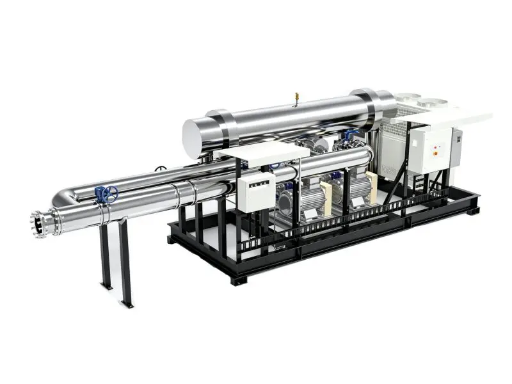
Reliable energy generation is essential for industries, commercial facilities, and businesses that depend on continuous power. A gas generator can provide stable electricity for various applications, but its performance and efficiency depend on several important factors.
Choosing the right system, maintaining equipment properly, and understanding operating conditions all contribute to better generator performance. Whether used in industrial facilities or as part of a Farm Use Gas CHP solution, properly managed gas-powered systems can deliver consistent energy output, reduce operating costs, and support long-term energy goals.
The Importance of Gas Generator Efficiency
A generator’s efficiency determines how effectively it converts fuel into usable electricity. Higher efficiency means better fuel utilization, lower operating expenses, and improved overall performance.
Modern businesses are focusing on energy solutions that provide reliability while reducing unnecessary consumption. Efficient generator operation helps organizations maintain productivity and manage their energy requirements more effectively.
Several factors influence how well a gas generator performs, including fuel quality, maintenance practices, load management, and system design.
Factors That Influence Gas Generator Performance
Fuel Quality and Availability
The quality of fuel plays a major role in generator operation. Clean and consistent fuel supply helps engines operate smoothly and maintain stable power output.
Poor fuel quality can lead to reduced efficiency, increased maintenance needs, and shorter equipment lifespan. Ensuring proper fuel management is an important step in maintaining reliable generator performance.
Proper Generator Sizing
Selecting the correct generator capacity is essential for achieving maximum efficiency. A system that is too small may struggle to handle energy demand, while an oversized generator may operate inefficiently.
Businesses should evaluate their current and future power requirements before choosing a generator. The right sizing ensures better fuel consumption and improved long-term performance.
Regular Maintenance and Servicing
Routine maintenance is one of the most important factors affecting generator efficiency. Regular inspections help identify potential issues before they become major problems.
Important maintenance activities include:
-
Checking engine components
-
Monitoring fuel systems
-
Inspecting electrical connections
-
Replacing worn parts
-
Cleaning essential components
Proper servicing helps maintain consistent output and extends the operational life of the generator.
Improving Efficiency Through Advanced Energy Systems
Modern energy solutions focus on using fuel as effectively as possible. Combined heat and power technologies improve efficiency by producing electricity while recovering useful heat.
Systems such as Farm use Gas CHP demonstrate how efficient energy generation can support agricultural operations by providing both power and heat for different processes.
This approach reduces energy waste and allows businesses to achieve better resource utilization.
Load Management and Operating Conditions
The way a generator is operated directly affects its efficiency. Running a generator under unsuitable load conditions can increase fuel consumption and reduce performance.
Facilities should monitor energy demand and adjust generator operation accordingly. Proper load management ensures the system operates closer to its optimal efficiency range.
Environmental conditions such as temperature, ventilation, and installation location can also influence performance.
Applications Where Generator Efficiency Matters
Gas generators are used across many industries where dependable power is required, including:
-
Manufacturing facilities
-
Hotels and commercial buildings
-
Agricultural operations
-
Healthcare facilities
-
Data centers
-
Industrial plants
-
Processing units
In the hospitality sector, energy efficiency is important because hotels require constant electricity and heating support. Solutions like Hotel Natural Gas CHP help facilities improve energy management by combining power generation with heat recovery.
The Role of Technology in Better Performance
Modern gas generators include advanced monitoring and control systems that help improve efficiency. Smart controls allow operators to track performance, identify issues, and optimize energy production.
Newer technologies also focus on reducing fuel consumption, improving reliability, and supporting more sustainable operations.
As energy demands continue to grow, intelligent generator systems will become increasingly important for businesses.
Choosing the Right Generator for Maximum Efficiency
Selecting an efficient gas generator requires careful evaluation of several factors, including:
-
Energy requirements
-
Fuel type
-
Operating environment
-
Maintenance support
-
System efficiency
-
Future expansion needs
A well-designed system provides reliable performance while reducing unnecessary operational expenses.
Working with experienced energy professionals can help organizations choose solutions that match their specific requirements.
Future of Gas Generator Performance
As businesses continue looking for reliable and sustainable energy solutions Hotel Natural Gas CHP, improvements in gas generator technology will continue to enhance efficiency and performance.
Better engine designs, improved controls, and advanced energy management systems are helping organizations achieve stronger results from their power generation investments.
Conclusion
Gas generator performance depends on multiple factors, including fuel quality, proper sizing, maintenance, operating conditions, and advanced technology. When these elements are managed effectively, generators can provide reliable and efficient power for a wide range of applications.
With the adoption of modern solutions such as CHP technology, businesses can improve energy efficiency, reduce waste, and create a more sustainable approach to power generation.


