
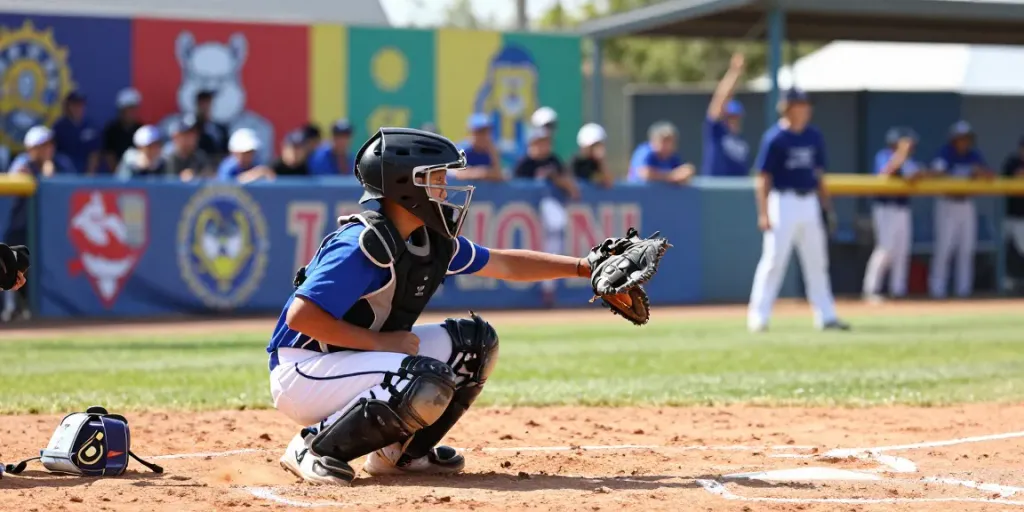
Understanding the Essential Components of Catchers Gear
A catcher is one of the most crucial players on a baseball or softball team, responsible for not only protecting the home plate but also ensuring the game is played safely and effectively. Proper catcher's gear is essential for performance, safety, and comfort behind the plate. This guide will delve deeply into the essential components of catcher's gear, helping players at any level make informed choices. When exploring options, Catchers Gear offers a comprehensive range of products designed to cater to every player's needs.
What Gear is Included in a Complete Set?
A complete catcher’s gear set typically includes several fundamental components required to perform effectively on the field. Here’s a breakdown of essential items:
- Catcher's Helmet: Provides vital head protection and often includes a mask for facial coverage.
- Chest Protector: Shields the upper body from wild pitches and foul balls, promoting safety while receiving the ball.
- Leg Guards: Protects the thighs and shins, allowing catchers to crouch comfortably without sacrificing mobility.
- Catcher's Mitt: Designed specifically for catching, this mitt aids in better ball reception and control.
- Throat Guard: Added protection for the throat area, particularly important in fast-paced games.
- Accessories: Additional items may include cup protectors, knee savers, and storage bags for easy transport.
Key Features to Look for in Catchers Equipment
When shopping for catcher's gear, it's vital to consider several key features that can affect performance and safety. Quality ventilation, lightweight design, and moisture-wicking fabrics are just a few characteristics that should influence your decision. Additionally, look for:
- Adjustability: Gear that can be adjusted for a snug yet comfortable fit helps ensure that it stays in place during gameplay.
- Padding: Adequate padding in helmets and chest protectors contributes significantly to safety and comfort during play.
- Durability: Selecting equipment made from robust materials helps it withstand the rigors of frequent use.
- Brand Reputation: Investing in respected brands like Rawlings, Easton, and All-Star can lead to better quality and performance.
Comparing Popular Brands: Easton, Rawlings, and All-Star
Each brand offers unique strengths and specialties within the market for catcher's gear. Below is a quick comparison:
- Easton: Known for its innovative designs, Easton gear often features advanced materials aimed at enhancing performance.
- Rawlings: A long-standing name in sports equipment, Rawlings offers gear recognized for its durability and comfort.
- All-Star: Renowned for its focus on protective gear, All-Star's equipment often includes more advanced safety features.
Choosing the Right Size and Fit for Young Players
When selecting catcher's gear, especially for young athletes, the right size and fit are critical for both comfort and performance. A proper fit can make a significant difference in a player's ability to play effectively.
Using the Catcher's Gear Size Guide Effectively
Most manufacturers provide a size guide that helps players find their suitable gear size based on age, height, and weight. It is essential to follow these guidelines closely, as proper sizing not only enhances comfort but also ensures maximum protection during play.
Common Sizing Mistakes to Avoid
Sizing errors can lead to inadequate protection and performance issues. Common mistakes include:
- Choosing gear based solely on the player’s age rather than individual size.
- Ignoring the importance of trying gear on before purchasing, as different brands may have varying fits.
- Neglecting the need for adjustments as the player grows, which can lead to using outdated or ill-fitting equipment.
Tips for Ensuring Proper Fit during Play
To ensure a proper fit during games, consider the following tips:
- Regularly check for wear and tear, as aging gear may not fit correctly.
- Use adjustable straps to tighten or loosen gear based on the player's preference.
- Encourage players to move around in their gear before a game to ensure comfort and flexibility.
Maintaining and Caring for Your Catchers Gear
Proper care and maintenance of catcher's gear can extend its lifespan and ensure optimal performance. Here are some best practices for keeping equipment in top shape.
Cleaning and Storage Best Practices
Regular cleaning is crucial for hygiene and maintaining gear integrity. Here are some recommended practices:
- Wipe down gear after each use with a damp cloth to remove dirt and sweat.
- Store equipment in a cool, dry place to prevent mold and mildew.
- Avoid leaving gear in wet bags for extended periods.
How to Repair Minor Damage to Equipment
Small damages such as scuffs and scrapes can often be repaired at home. Here are some methods:
- For fabric tears, use specialized sports tape to secure and patch areas.
- Use a leather conditioner on leather mitts to prevent cracking and maintain flexibility.
- Replace lost straps or buckles to ensure the gear remains secure during wear.
When to Replace Your Catchers Gear
Replacing gear is essential when:
- Visible damage affects the protective capabilities.
- Fit becomes too loose or tight, affecting performance.
- Materials show significant wear, such as fraying or cracking.
Performance Hacks for Enhanced Play Behind the Plate
To excel as a catcher, it’s not just about having the right gear; it's also about utilizing that gear effectively. Consider these performance hacks:
Techniques to Improve Catching Skills
Simple drills, like practicing receiving pitches with a partner or focusing on framing techniques, can help enhance catching skills. Players can also work on their agility and footwork to improve their ability to block balls and throw out base runners.
How Gear Impacts Performance on the Field
The right fit and quality of gear can influence a catcher’s ability to perform. Comfortable gear allows for better movement and less distraction, enabling catchers to focus on the game rather than their equipment.
Training Drills Specific to Catchers
Catchers can benefit from specific training drills that hone their unique skill set, including:
- Blocking drills using tennis balls to simulate wild pitches.
- Throwing drills that focus on quick release and accuracy.
- Framing pitches to enhance strike zone awareness.
Future Trends in Catchers Gear and Equipment
The evolution of catcher's gear continues as technology and innovation improve player safety and performance. Here are some emerging trends to watch:
Innovations in Material Technology for 2026
New materials are being developed that offer better protection while remaining lightweight and flexible. These innovations aim to reduce the overall weight of gear without sacrificing effectiveness, enhancing a catcher’s speed and agility.
Emerging Brands and Products to Watch
While established brands dominate the market, several emerging brands offer unique innovations that are worth attention. Keeping an eye on new companies can provide fresh gear options that may better suit individual playing styles.
How the Game is Evolving and Gear Adaptations
As the game changes with new rules and playing styles, gear must adapt accordingly. Future gear may incorporate more customizable features, allowing players to adjust their equipment based on game situations and personal preferences.
What gear do catchers wear?
Catcher's gear encompasses several crucial items, including helmets, chest protectors, leg guards, and mitts, designed specifically for their role behind the plate.
What is the best brand for catcher's gear?
The best brand often depends on individual preferences, but popular and trusted names include Easton, Rawlings, and All-Star, each offering products tailored to various skill levels and needs.
What is catcher's equipment called?
Catcher’s equipment is commonly referred to as “catcher's gear,” which includes various protective items tailored to the unique requirements of the position.
What equipment does a baseball catcher need?
A baseball catcher typically needs a helmet, chest protector, leg guards, and a catcher’s mitt. Additional equipment may include a throat guard and cup protector for extra safety.
How to choose catcher’s gear for beginners?
For beginners, it’s essential to focus on gear that offers a good fit, adequate protection, and comfort. Recommendations typically include purchasing from reputable brands and considering adjustable features to accommodate a player’s growth.