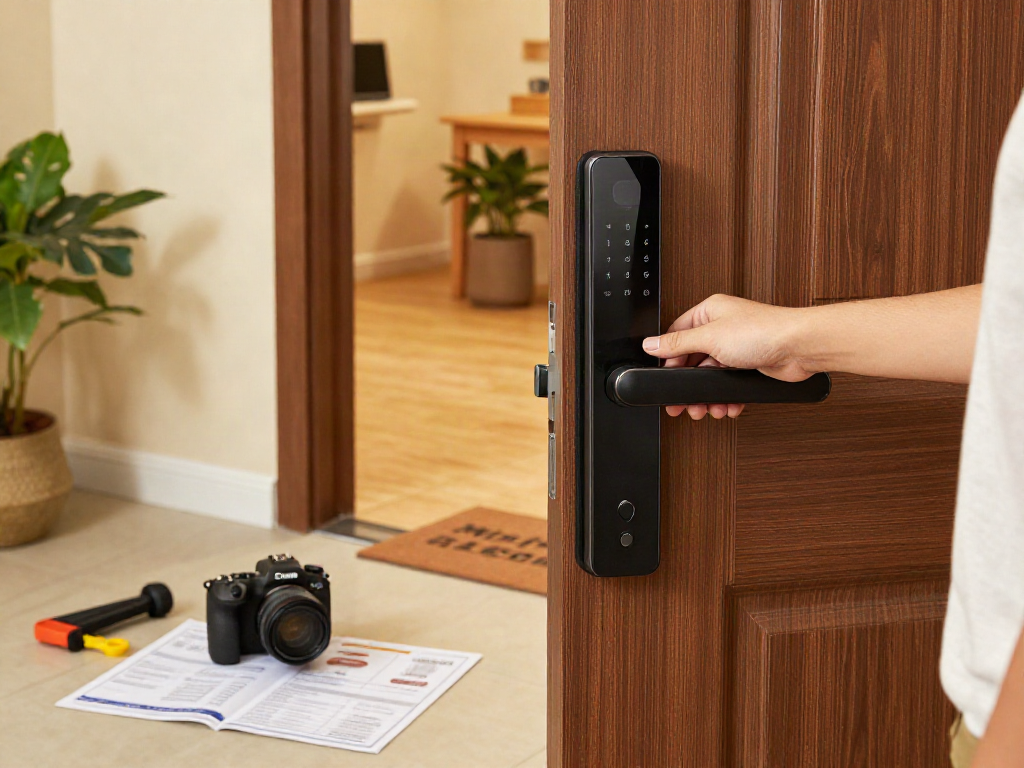
Understanding Smart Locks: The Future of Home Security
As technology rapidly evolves, the way we secure our homes is changing as well. Smart locks, a groundbreaking innovation in home security, offer a blend of convenience, advanced features, and enhanced security measures, addressing the growing concerns of homeowners today. With the increased demand for smart home technologies, understanding the benefits and functionalities of smart locks is paramount. Whether you're considering upgrading or simply exploring options, خرید قفل هوشمند provides comprehensive insights into securing your domain effectively.
What is a Smart Lock?
A smart lock is an electronic locking device that allows you to control access to your home using a smartphone, tablet, or other electronic devices. Unlike traditional locks that require physical keys, smart locks enable entry through a variety of methods including pin codes, biometric scans, Bluetooth, and Wi-Fi connectivity. This advancement in lock technology is designed to provide enhanced flexibility, allowing users to manage access remotely.
Benefits of Upgrading to Smart Locks
- Convenience: Keyless entry eliminates the need for physical keys, making it easier for homeowners to grant access to friends, family, or service providers.
- Remote Access: Smart locks can be controlled from anywhere via smartphone apps, enabling users to unlock their doors from afar.
- Enhanced Security: Many smart locks offer advanced security features such as alerts, encryption, and temporary access codes for guests.
- Integration: Smart locks integrate seamlessly with other smart home devices, allowing for centralized control of home security systems.
How Smart Locks Work: An Overview
Smart locks utilize various technologies to operate, primarily relying on either Bluetooth or Wi-Fi connections. Some models connect to home networks allowing for remote access, while others may use Bluetooth for proximity unlocking. Users can generate unique access codes for different individuals or specific time slots, ensuring that only authorized users can gain entry. Additionally, smart locks often store access logs, enabling homeowners to track who entered or exited their property and when.
Choosing the Right Smart Lock for Your Home
Comparing Different Types of Smart Locks
When selecting a smart lock, it's essential to understand the different types available. Smart locks can generally be categorized into three main types:
- Deadbolt Smart Locks: These locks replace your traditional deadbolts and provide maximum security.
- Lever Handle Smart Locks: Perfect for doors that have lever handles, these locks provide easy access and are often used in commercial settings.
- Smart Padlocks: Designed for gates or storage units, smart padlocks offer portability and flexibility for locking various items.
Key Features to Look For
There are several features to consider when purchasing a smart lock:
- Remote Access: Ensure the lock can be controlled via a mobile app.
- Auto-Lock: This feature automatically locks the door after a set time, enhancing security.
- Security Alerts: Look for locks that notify you of attempted breaches.
- Compatibility: Ensure the lock works with your smartphone or existing smart home systems.
Common User Needs and Preferences
Every homeowner has unique needs when it comes to securing their property. Some may prioritize ease of use, while others might focus on high-security features. Additionally, aesthetic appeal can play a vital role, as homeowners often look for smart locks that complement their home’s design.
Installation and Setup: A Step-by-Step Guide
Tools Required for Installation
Installing a smart lock typically requires minimal tools. Most installations can be completed with a screwdriver, a drill (for new holes), and sometimes an adjustable wrench. Always check the manufacturer’s instructions for specific requirements.
Installation Process Explained
The installation process involves several key steps:
- Remove the existing lock: Unscrew the old lock from your door and remove it.
- Prepare the door: Ensure that the door is ready for installation, and make adjustments if necessary.
- Install the smart lock: Follow the manufacturer’s instructions to attach the smart lock securely.
- Set up the app: Download the app associated with your smart lock model and follow the setup instructions to connect your lock.
Troubleshooting Common Installation Issues
If you encounter issues during installation, consider these troubleshooting tips:
- Check compatibility with your door type.
- Ensure all screws are tightened appropriately.
- Refer to the manufacturer’s FAQ for specific errors.
Smart Lock Security: Addressing Concerns
Privacy and Data Protection
Smart locks communicate over the internet, raising concerns about data privacy. Users should choose locks that offer strong encryption and data protection measures to mitigate risks. Regularly updating software and firmware can also help secure your device from vulnerabilities.
Responding to Security Vulnerabilities
The rise of smart technology has led to increased scrutiny regarding vulnerabilities. Manufacturers equip smart locks with advanced security protocols and continuous monitoring for weaknesses. Users should remain informed about any potential threats that arise.
Best Practices for Securing Your Smart Lock
- Use Strong Passwords: Create complex passwords and change them regularly.
- Enable Two-Factor Authentication: This adds an extra layer of security to your device.
- Limit User Access: Only share access with trusted individuals and revoke access when it's no longer needed.
The Future of Smart Lock Technology in 2026
Emerging Trends in Smart Lock Innovations
The smart lock industry is continuously evolving, with new technologies being developed to provide enhanced functionality and security. Future trends include the incorporation of artificial intelligence for predictive security features and advanced biometric sensors that offer increased personalization and safety.
Integration with Smart Home Ecosystems
As homes become increasingly automated, smart locks are expected to integrate with a wider range of smart home devices, providing users with cohesive control over their environment. This convergence of technology will enhance the overall user experience and elevate security measures.
Predictions for the Smart Lock Market
By 2026, the market for smart locks is projected to significantly expand, driven by rising consumer demand for security solutions and advancements in technology. Increased awareness of home automation will further propel growth, making smart locks a staple in modern homes.
FAQs
How do smart locks enhance home security?
Smart locks enhance security through features such as remote access, monitoring, customizable access codes, and alerts for suspicious activities, which are not available with traditional locks.
Can smart locks work without Wi-Fi?
Yes, many smart locks can function via Bluetooth and allow users to unlock doors even without a Wi-Fi connection, although remote access features may be limited.
What happens if the battery of a smart lock runs out?
Most smart locks feature a backup keyway for traditional key access in case of battery failure. Additionally, some models provide low-battery alerts in advance.
Are smart locks compatible with traditional keys?
Many smart locks are designed to accommodate traditional keys, offering the flexibility to switch between keyless and key access as needed.
How can I integrate my smart lock with other smart home devices?
Integration often depends on the smart lock model and the smart home ecosystem being used, such as Google Home or Amazon Alexa. Follow the manufacturer’s guidelines for setup and connection.