
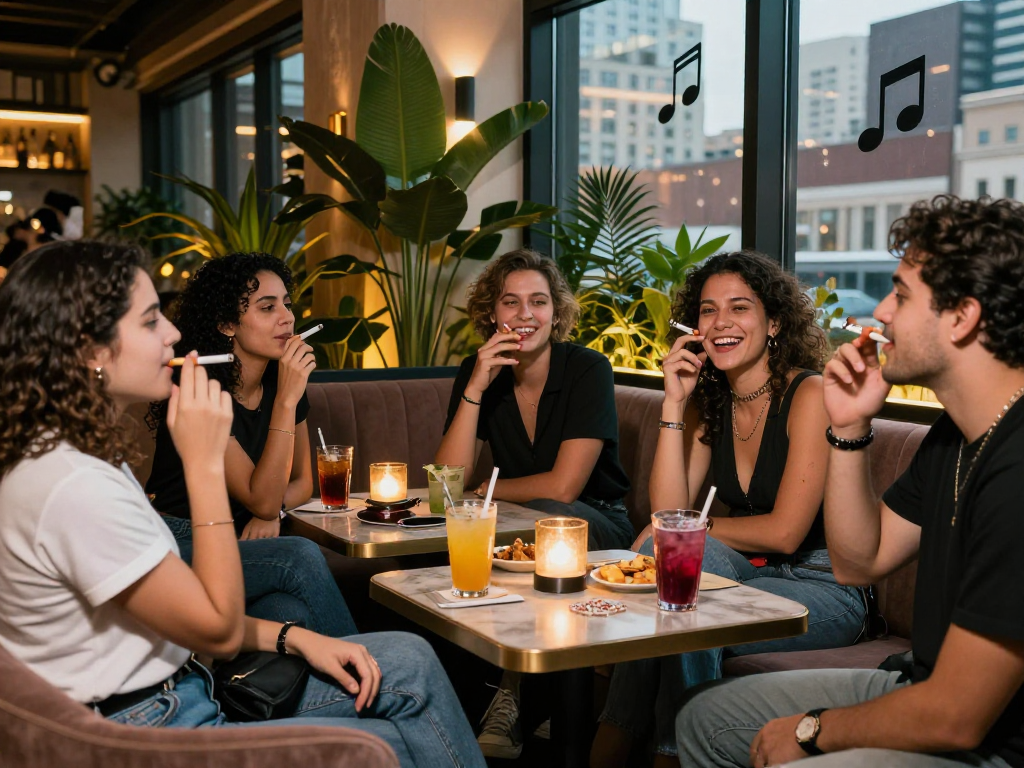
The Evolution of Smoking Culture in 2026
The landscape of smoking culture has undergone significant shifts by 2026, influenced by changing societal norms, preferences, and regulations. With a diverse array of products available, including traditional cigarettes, vaping devices, and alternative smoking paraphernalia, the modern smoker is faced with an expansive market. These changes have not only affected consumer behavior but also the way brands engage with audiences. For instance, companies like rokok88 are adapting to these new preferences while navigating the evolving landscape of health regulations and social perceptions.
Understanding Shifts in User Preferences
As we delve deeper into 2026, understanding user preferences becomes paramount for businesses in the tobacco industry. The preferences among smokers have shifted towards a greater emphasis on flavor diversity and product quality. Consumers today are looking for experiences rather than just a product to consume. This trend has led to an increase in flavored tobacco products and artisanal cigarette brands that focus on quality ingredients and craftsmanship.
Moreover, the increasing popularity of reduced-risk products, like e-cigarettes and heated tobacco, reflects a paradigm shift where health consciousness plays an essential role. Younger demographics are more likely to choose products that they perceive as less harmful, which further pushes brands to innovate and diversify their offerings.
The Role of Social Media in Shaping Trends
Social media has become a pivotal platform for influencing smoking culture and trends in 2026. Brands are leveraging platforms like Instagram and TikTok to reach younger audiences, who are not only consumers but also trendsetters. Through influencer partnerships and targeted advertising, brands can create engaging content that resonates with their audience's values and lifestyle preferences.
Furthermore, user-generated content has taken precedence, where consumers share their experiences and preferences online. This transparency fosters a community of brand loyalty and influences purchasing decisions. Companies that embrace this change and create authentic social media interactions will have a significant advantage in engaging modern consumers.
Impact of Regulations on Smoking Habits
Regulatory changes continue to shape smoking habits globally, especially with heightened health awareness. Laws concerning advertising, packaging, and public smoking bans have influenced how products are marketed and consumed. In 2026, regulations are becoming stricter, with a focus on protecting public health and reducing smoking rates.
These regulations force brands to innovate in their marketing strategies, often shifting focus from traditional advertisements to informational campaigns that promote healthier choices. Compliance with new laws not only affects brand image but also influences product design and packaging, which must now meet more stringent guidelines.
Target Audience Insights: Who Smokes Today?
In understanding the modern smoking demographic, it's crucial to identify who the smokers are in 2026. Studies indicate that the smoking population is becoming more diverse, encompassing various age groups, socioeconomic statuses, and cultural backgrounds. The evolving landscape of smoking means that brands must adapt their marketing efforts to capture the attention of these varied audiences.
Demographics of Contemporary Smokers
Today's smokers are not solely defined by age; they include millennials, Gen Z, and even older demographics who have continued their smoking habits. Among young adults, there's a noticeable trend towards experimentation with different smoking products, including e-cigarettes and other alternatives. Market research shows that the average smoker today is more informed about health risks and actively seeks products that align with their lifestyle choices.
This demographic shift requires brands to be attuned to the values and preferences of contemporary smokers, with a focus on sustainability, health considerations, and personalized experiences.
Behavioral Patterns Among Young Adults
Young adults, particularly those within the 18-34 age range, are exhibiting behavioral patterns that reflect their desire for unique and personalized smoking experiences. This audience is more inclined to participate in smoking rituals that emphasize social interaction, such as smoking in group settings or sharing products.
Moreover, young smokers are increasingly aware of the social implications of smoking and its related health risks, leading to a demand for transparent information about products. Brands must harness this knowledge to build marketing strategies that resonate with this audience's values.
Consumer Preferences: Taste and Experience
Consumer preferences in 2026 show a clear trend towards taste and experience, with many smokers seeking out products that offer novel flavors and sensory experiences. Traditional tobacco flavors are being overshadowed by unique blends that incorporate fruity, spicy, and herbal notes.
Brands have the opportunity to create limited-edition flavors or seasonal products to attract attention and encourage experimentation. Understanding flavor profiles and consumer taste preferences is essential for brands aiming to stay relevant in an increasingly crowded market.
Marketing Strategies for rokok88 in a Changing Landscape
Positioning a brand like rokok88 requires innovative marketing strategies that resonate with a changing consumer landscape. Companies must focus on building connections with consumers, understanding their preferences, and adapting to the digital age.
Leveraging Influencer Campaigns for Brand Awareness
Influencer marketing continues to prove effective in reaching target audiences, particularly among younger consumers who value peer recommendations. By partnering with influencers who embody the brand’s ethos, rokok88 can amplify its brand message through authentic storytelling.
Campaigns that engage influencers in creative ways, such as sharing their personal experiences or hosting virtual events, can build lasting connections with consumers while increasing brand visibility.
Implementing Sustainable Practices in Product Development
With growing consumer awareness of sustainability, implementing eco-friendly practices in product development has become vital. Brands like rokok88 can set themselves apart by utilizing sustainable sourcing for their ingredients and responsible packaging solutions. Transparency in these practices can enhance consumer trust and loyalty, particularly among environmentally conscious demographics.
Utilizing Digital Platforms for Engagement
In 2026, digital platforms play a crucial role in consumer engagement. Brands must utilize social media, mobile apps, and online communities to create meaningful interactions with customers. Engaging content, such as polls, contests, and live Q&A sessions, can foster a sense of community and encourage brand loyalty.
Moreover, leveraging data from these platforms can provide valuable insights into consumer preferences, aiding in more targeted marketing efforts that resonate with the audience’s needs.
Health Trends Affecting the Cigarette Market
Health consciousness is a significant factor influencing smoking habits and the cigarette market landscape. As public awareness of health risks associated with smoking continues to grow, brands must navigate these trends carefully to remain relevant to consumers.
Consumer Awareness of Health Risks
Today's consumers are more informed about the health risks of smoking than ever before. Increased education and awareness campaigns are informing smokers about the harmful effects of traditional cigarettes, leading to a decline in smoking rates among certain demographics.
Brands must address these concerns transparently, promoting reduced-risk products and emphasizing harm reduction strategies in their marketing. Engaging consumers in this conversation positions brands as responsible players in the market.
Alternatives to Traditional Smoking: Vaping and Beyond
The rise of vaping and other reduced-risk alternatives has significantly impacted traditional smoking. Many consumers are switching to e-cigarettes and heated tobacco products, seeking a more modern and potentially less harmful way to smoke.
Brands must recognize this shift and consider integrating alternative products into their offerings. This approach not only caters to existing smokers looking for alternatives but also attracts new consumers interested in exploring these innovative devices.
Future Trends in Tobacco Use and Public Perception
Looking ahead, the future of tobacco use will likely involve continued adaptation to consumer preferences and societal shifts. Public perception of smoking is evolving, with increased scrutiny on health risks and lifestyle impacts. Brands must prepare for an environment where traditional smoking may further decline while innovative products gain traction.
Staying attuned to consumer attitudes and preferences will be crucial for brands to navigate this transformation and successfully position themselves in a competitive landscape.
Best Practices for Engaging the Modern Consumer
As the smoking landscape continues to evolve, implementing best practices to engage modern consumers is essential for brands to maintain a competitive edge. Understanding consumer needs and adapting to their preferences will play a pivotal role in brand success.
Building Authentic Brand Relationships
Creating authentic relationships with consumers is vital in today’s market. Brands must engage in genuine conversations, listen to consumer feedback, and respond actively to their concerns. By doing so, brands can foster loyalty and trust, essential components for long-term success.
Hosting interactive events, both online and offline, can facilitate deeper connections and allow consumers to engage directly with the brand, enhancing overall consumer experience.
Creating Experiential Marketing Campaigns
Experiential marketing has emerged as a powerful tool for brands to create memorable interactions with consumers. For rokok88, crafting immersive experiences that showcase products can leave a lasting impression on potential customers.
These experiences can range from pop-up events that allow consumers to sample products to virtual reality experiences that provide an insight into the brand's heritage and manufacturing processes. By engaging consumers through these creative means, brands can enhance their market presence significantly.
Adapting to Shifting Consumer Values and Expectations
As societal values shift, brands must adapt their messaging and practices to resonate with these changes. Today’s consumers prioritize sustainability, health, and social responsibility. Recognizing these values within marketing campaigns can resonate with modern audiences.
Brands should also focus on fostering inclusivity and representation, ensuring that their products and campaigns reflect diverse consumer needs and experiences, ultimately capturing a broader audience.
What Makes rokok88 Stand Out in a Competitive Market?
In an increasingly competitive market, rokok88 differentiates itself through its commitment to quality and innovation. By focusing on premium ingredients and unique flavor offerings, the brand has carved a niche for itself among discerning smokers.
Moreover, rokok88's emphasis on sustainable practices and transparency resonates with modern consumers who are looking for brands that align with their values. This approach positions the brand favorably in an environment where consumers are more selective about their choices.
How to Measure Success in Marketing Initiatives?
To assess the effectiveness of marketing initiatives, brands must establish clear objectives and utilize analytics to track performance. Metrics such as consumer engagement rates, sales growth, and brand sentiment can provide valuable insights into how well a campaign resonates with audiences.
Additionally, conducting surveys and gathering consumer feedback can offer direct insight into consumer perceptions and areas for improvement, enabling brands to refine their strategies continually.
Emerging Trends in the Cigarette Industry for 2026
As we look forward to the future, several trends are set to emerge within the cigarette industry by 2026. Increased technological integration in product development, such as smart devices that monitor consumption patterns, is a possibility.
Furthermore, the rise of hybrid products that combine traditional and alternative smoking methods may capture the interest of both smokers and non-smokers alike. Brands must remain vigilant and adaptable to these emerging trends to ensure they effectively meet evolving consumer needs.