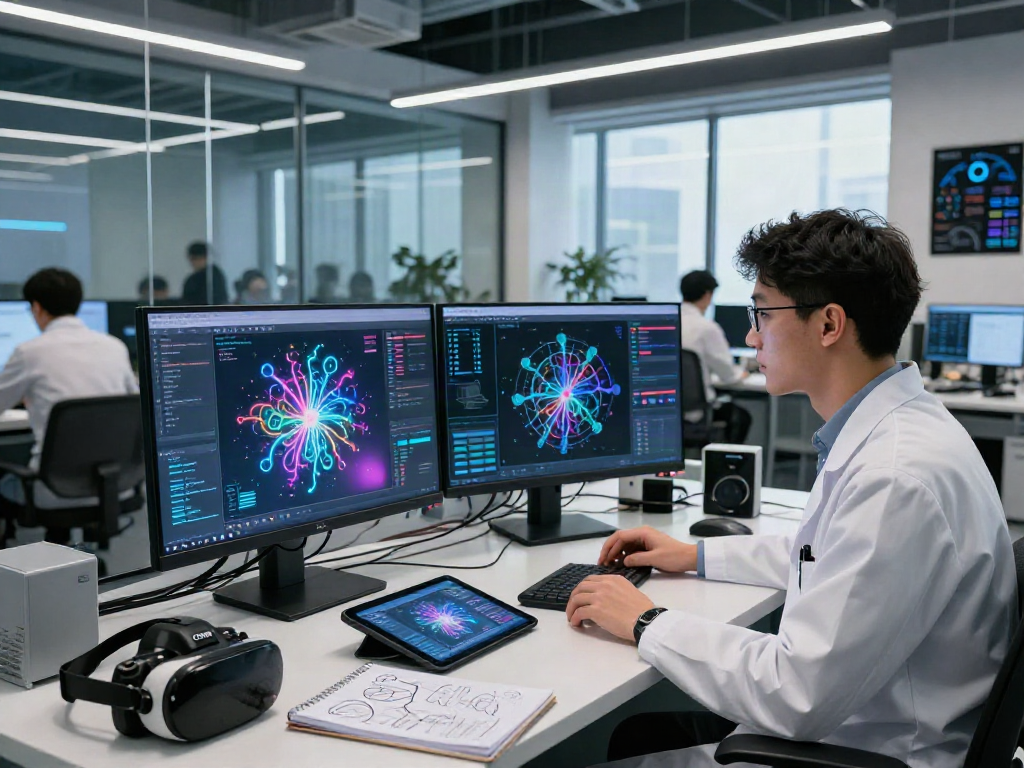
Understanding AI Image Detectors
The rapid advancement of artificial intelligence has revolutionized many sectors, including digital media and image processing. Among the most intriguing developments is the emergence of the AI Image Detector, which helps identify whether an image has been generated by algorithms rather than captured by a camera. As AI becomes increasingly sophisticated, understanding how these detectors function and their implications is crucial for professionals across various fields.
What is an AI Image Detector?
An AI image detector is a specialized tool designed to analyze images and determine their origin—whether they were created by a human or generated through AI algorithms. These tools utilize machine learning techniques to distinguish between authentic photographs and those produced by AI models such as DALL·E, MidJourney, or Stable Diffusion. This capability is essential in a world where digital images can be manipulated with ease, leading to concerns about authenticity and misinformation.
How AI Image Detectors Work
The functioning of AI image detectors typically involves several key components:
- Feature Extraction: The detector analyzes the image to extract critical features, such as color patterns, textures, and shapes. This step is vital in creating a digital fingerprint of the image.
- Model Training: Using vast datasets containing both AI-generated and real images, these tools undergo extensive training. They learn to recognize the subtle differences between the two, improving their accuracy over time.
- Detection Algorithms: Once trained, detection algorithms are employed to evaluate new images. The algorithms provide a probability score indicating the likelihood that an image is AI-generated, based on the features identified.
Common Use Cases for AI Image Detection
The applications of AI image detectors are diverse and expanding:
- Media Verification: News organizations use these detectors to verify the authenticity of images before publication, combating misinformation.
- Social Media Monitoring: Platforms deploy AI image detection to flag manipulated or false images, promoting a healthier information ecosystem.
- Legal Evidence Analysis: In legal contexts, AI detectors help ensure that submitted photographic evidence is genuine and hasn't been tampered with.
- Academic Research: Researchers utilize these tools to validate images in academic publications, maintaining the integrity of their findings.
Myths About AI Image Detectors
Myth 1: AI Image Detectors are Perfect
While AI image detectors represent significant technological advancements, they are not infallible. No system is 100% accurate, and even the best detectors can yield false positives or negatives. Users should approach the results with a critical mindset and corroborate findings with other evidence when necessary.
Myth 2: All AI Image Detectors Work the Same
Not all AI image detectors utilize the same methodologies or datasets. Variations in algorithms, feature extraction techniques, and training data can lead to varying levels of accuracy and reliability across different platforms. It's essential to understand the specific capabilities and limitations of any given tool.
Myth 3: AI Image Detectors Only Analyze Photos
AI image detectors are often perceived as tools that strictly analyze photographs. However, they can also be adapted to assess various forms of visual media, including digital art and graphic designs. As the technology evolves, so too does its versatility.
Evaluating the Accuracy of AI Image Detectors
Performance Metrics for AI Image Detection
To measure the effectiveness of AI image detectors, several performance metrics are commonly used:
- Precision: This metric indicates the proportion of true positive results among all positive predictions made by the detector.
- Recall: Recall measures the tool's ability to identify all relevant instances, highlighting its effectiveness in detecting AI-generated images.
- F1 Score: The F1 score combines precision and recall into a single metric, providing a balanced perspective on the detector’s performance.
Factors Affecting Detection Accuracy
Multiple factors influence the accuracy of AI image detectors:
- Quality of Training Data: The more diverse and comprehensive the training dataset, the better the detector will perform.
- Algorithmic Improvements: Continuous advancements in machine learning algorithms contribute to enhanced detection capabilities.
- Image Quality: Low-resolution or heavily compressed images can hinder detection accuracy, as essential features may be lost.
Real-World Examples of Successful Image Detection
Several prominent instances showcase the effectiveness of AI image detectors:
- Getty Images' AI Initiatives: Getty Images employs AI image detection technology to ensure the authenticity of its vast media library, safeguarding against misuse.
- Fact-Checking Organizations: Various fact-checking entities use these detectors to verify social media content, combating misinformation campaigns.
Future of AI Image Detectors in 2026
Emerging Technologies and Trends
As we look ahead to 2026, several emerging technologies will likely shape the landscape of AI image detection:
- Real-Time Detection: Future developments may allow for real-time analysis of images as they are uploaded, enhancing immediate verification capabilities.
- Integration with Blockchain: Implementing blockchain technology could facilitate the tracking of image authenticity and ownership, further reinforcing trust.
Predicted Advancements in Detection Algorithms
Ongoing research is anticipated to produce more sophisticated detection algorithms that can:
- Improve Accuracy: Enhanced algorithms will reduce false positives and negatives, thereby boosting user confidence in the results.
- Analyze Context: Future detectors may incorporate contextual analysis, considering the broader digital environment surrounding an image.
Role of AI in Combating Digital Misinformation
With the proliferation of deepfakes and manipulated content, AI image detectors will play a crucial role in safeguarding the integrity of information. By providing reliable verification tools, they can help users discern fact from fiction, promoting a more informed society.
Frequently Asked Questions About AI Image Detectors
How reliable are AI Image Detectors?
The reliability of AI image detectors varies based on their underlying algorithms and training methods. While many provide high accuracy rates, it's essential to cross-validate results and understand the limitations involved.
Can AI Image Detectors be used for video analysis?
Some advanced AI image detectors have the capability to analyze video frames, identifying discrepancies and consistent patterns indicative of manipulation. However, video analysis is generally more complex than still images.
What types of images can AI Image Detectors analyze?
AI image detectors can analyze various types of visuals, including photographs, graphics, and illustrations. They are increasingly being adapted to assess digital art and other creative content as the technology evolves.
Are there ethical concerns with AI Image Detectors?
Yes, ethical concerns arise regarding privacy, misuse of detection tools, and the potential for reinforcing biases inherent in the training data. Developers must ensure transparency and responsible use of AI technology.
How do I choose the best AI Image Detector?
Choosing the right AI image detector involves evaluating factors such as accuracy rates, the reputation of the tool, user reviews, and specific functionalities that meet your needs. Furthermore, understanding the context in which the tool will be used is crucial for effectiveness.